

You can join a Navratri gathering without dancing. Tell the host before you arrive, choose one comfortable way to participate and keep a seated game as an optional group activity, not a consolation prize or an obligation.
Send the useful sentence before the gathering
A long explanation can make a simple preference feel like a negotiation. Send one factual line instead:
This gives the host information they can use without asking them to redesign the gathering. If your main uncertainty is whether friends will meet before or after garba, use Cheatr's before-or-after Garba Bookend Card first.
The Join-Without-Dancing Board
Choose one answer in each box. The board is an original Team Cheatr planning tool, not a claim about how every Navratri gathering works.
Will you arrive for the full plan, for one known social window or after the most dance-focused stretch? Confirm the real timing with the host.
Pick one comfortable anchor: conversation, watching, food, photographs when invited, practical guest help requested by the host, or a seated activity at a clean break.
Keep one calm line ready: “I am sitting this one out, but I am happy to stay with the group.” Repeat it without adding a defence.
Choose the point at which you will reassess or leave. A clear exit plan is better than staying until discomfort turns into resentment.
For hosts: include the guest without turning them into a project
- Ask what participation feels comfortable, not why the guest does not want to dance.
- Offer a seat that stays socially connected to the gathering instead of isolating the person in another room.
- Invite once. Treat a no as complete information.
- Do not assign photography, serving or cleanup as the price of being included. Help should be requested and voluntary.
- At one clean break, let everyone choose again. Cheatr's no-pressure participation plan helps when several guests want different modes.

Use a game only when it passes the side-activity test
A game is useful only when the host wants a seated lane, enough people actively opt in, the full time window is stable and the activity will not compete with the main plan. If any answer is no, keep the game packed.
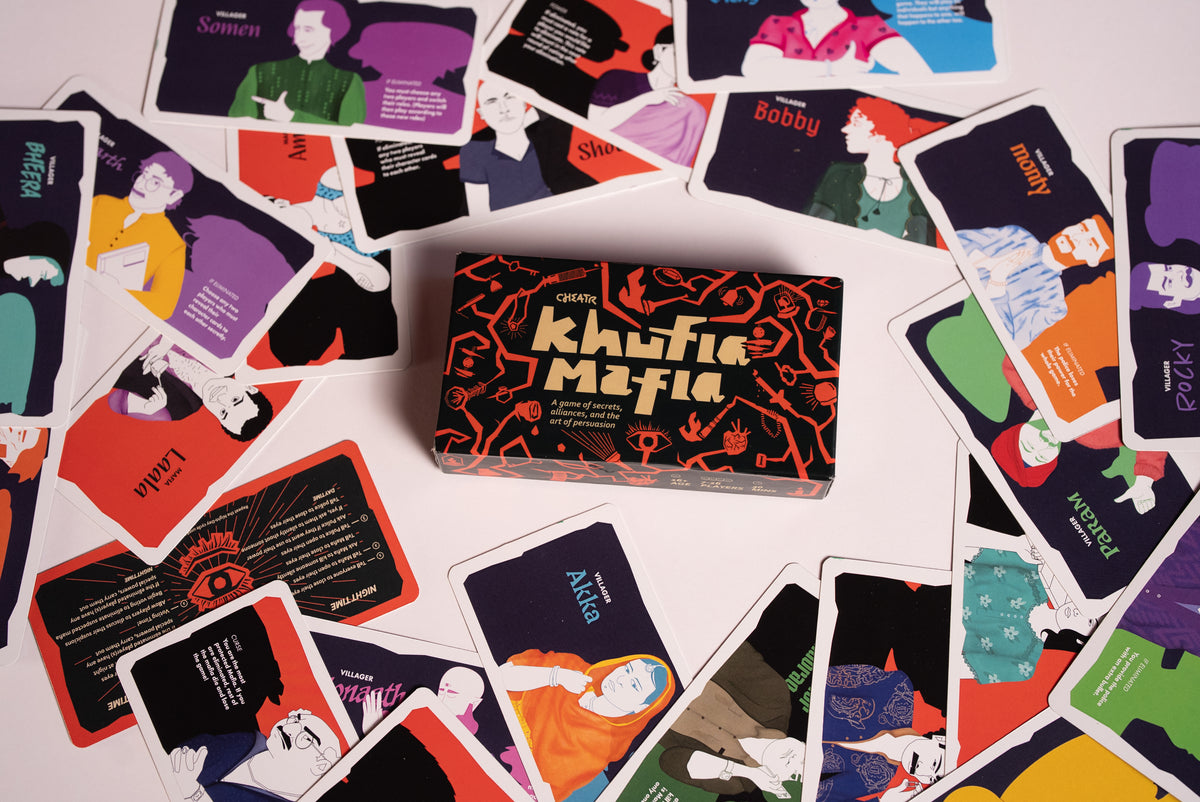
The current Boom Machale product page lists 4 to 10 players, ages 16+ and a play estimate below 30 minutes. The current Khufia Mafia product page lists 7 to 26 players including the God, ages 16+ and a play estimate below 30 minutes. Those are fit checks, not reasons to recruit reluctant people.
- Host: Does a seated activity belong in this gathering?
- People: Does the willing 16+ group meet the selected game's current player guidance?
- Window: Is there time for setup, any explanation, a complete game, packing and a buffer?
- Space: Can the seated group play without blocking movement or drowning out the rest of the gathering?
Worked example: one guest, twelve adults
Example, not a claimed play observation: One guest tells the host in advance that they want to attend but do not want to dance. The host confirms an arrival window and keeps one chair connected to the main room. At a clean break, five of the twelve adults choose conversation, four want a card-led activity and three return to dancing.
The four willing adults meet Boom Machale's current player range if all are 16+, the host wants the side activity and the full window fits. Khufia Mafia does not meet its seven-player minimum, so the nearby crowd is not counted. The non-dancing guest may play, chat or watch. Their original preference does not commit them to the game.
Frequently asked questions
Is it rude to attend a Navratri gathering but not dance?
A preference not to dance does not require a performance or a long defence. Tell the host before you arrive, follow the gathering's practical expectations and choose a socially present way to participate. The host may also tell you that a particular plan will be almost entirely dance-focused, which is useful information for your decision.
What should I say if people keep asking me to join?
Use one friendly line and repeat it: “I am sitting this one out, but I am happy to stay with the group.” You do not need a new explanation for every invitation. A host can help by accepting the first answer and redirecting attention.
Should I bring a card game for the people who are not dancing?
Only after the host confirms that a seated activity fits. Then check willing players, age guidance, time and space against the current product page. Do not assume every non-dancer wants to play, and do not open a game merely because it was carried.


